The Standard Performance Evaluation Corporation (SPEC) has released the SPECviewperf 15.0.1 Linux Edition benchmark, bringing its professional graphics test suite to x86_64 and aarch64 Linux workstations. The benchmark runs eight OpenGL workloads representing applications such as Catia, Creo, Maya, SolidWorks, Siemens NX, and Blender, without requiring users to license those applications. It is free for end users, and it gives studios, engineers, and buyers a standardized way to compare GPUs, drivers, and platforms on Linux.
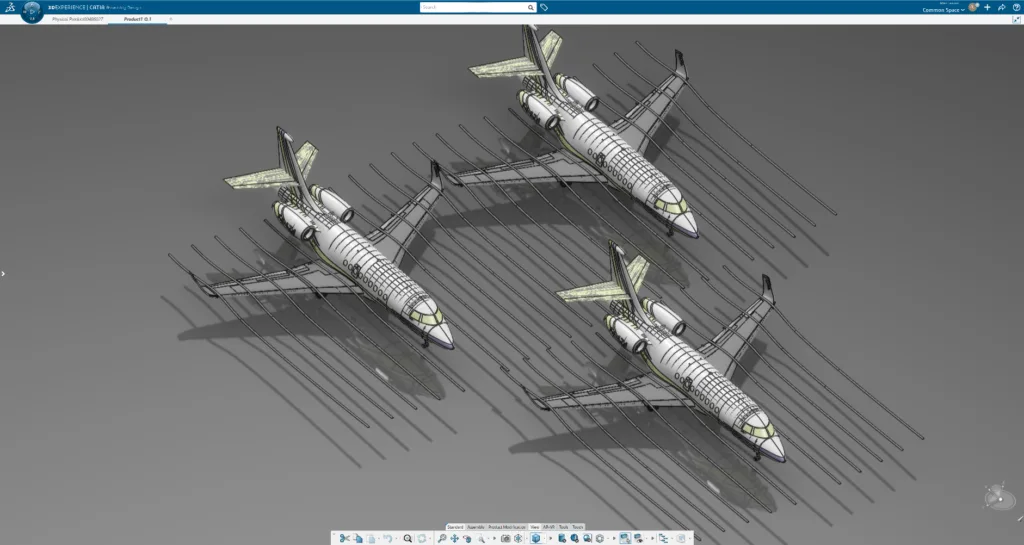
A benchmark is only as useful as its resemblance to the work people actually do. A synthetic test can tell you a GPU is fast, but a power user wants to know whether the viewport stays fluid when a large assembly spins in Catia or a heavily textured character rotates in Maya. That is the premise behind every benchmark from the Graphics and Workstation Performance Group (GWPG) at SPEC, and it is why the new SPECviewperf 15.0.1 Linux Edition matters.
SPEC announced the benchmark on September 22, 2026. According to the organization, it measures professional graphics performance on Linux workstations using workloads that represent CAD, content creation, engineering, energy, and medical visualization. Users do not need to install or license the represented applications, which removes a costly and time-consuming step from qualifying new hardware.
This is not SPEC’s first Linux release. The new benchmark succeeds the SPECviewperf 2020 v3.0 Linux Edition. What changes is the scope. The Linux edition now tracks the workload set of SPECviewperf 15, adds Arm support, and replaces much of the old setup friction with a graphical interface. It also acknowledges something the Windows-centric benchmarking world tends to forget: The operating system is part of the workload. Drivers, windowing systems, and distribution choices all shape how a GPU behaves, so a Linux shop needs Linux numbers.