In many instances, 3D has relegated 2D to the fringes of many industries. No so in the CAD market.
2D CAD and 3D CAD now run as separate disciplines, and that split defines how vendors, ISVs, and IT teams plan the next decade. 2D CAD represents designs as lines, arcs, dimensions, and annotations; it delivers the actual documents that jobs depend on—permit sets, construction drawings, fabrication details, patent illustrations. Contractors, machinists, inspectors, and regulators work from 2D outputs because those drawings match how work gets approved and measured on-site and in the shop. 3D CAD handles assemblies, systems, and building models, but in most workflows the 3D model still produces 2D drawings downstream.
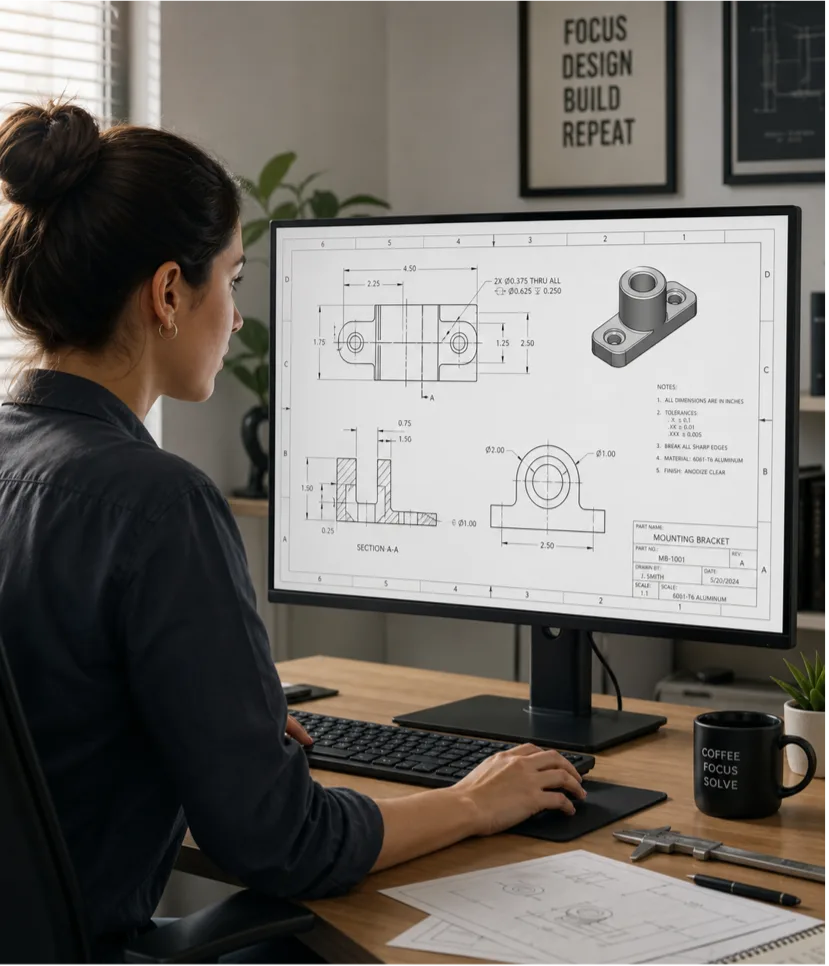
A long list of disciplines—light AEC, basic MEP, civil site layouts, 2D‑only fabrication shops—never touch a 3D model at all. 2D CAD, therefore, remains a live, independent market, not a leftover waiting for replacement.
The price structure reinforces that split. 2D CAD average selling prices land around $500 to $900 per seat per year; it behaves as a commoditized drafting tool with wide adoption. 3D CAD sits closer to $2,500 to $4,000 per seat per year, tied to heavier engineering and manufacturing workloads.