Neurosymbolic AI combines two eras of AI research that used to run on separate tracks: neural networks and symbolic AI. Neural networks power today’s large language models and image generators, and they excel at pattern recognition, reading messy data, and producing probabilistic guesses. They also struggle with strict math, hallucinate facts, and operate as black boxes, systems that produce an answer without exposing how they got there. Symbolic AI runs the older playbook: hard-coded rules, knowledge graphs, strict logic. It delivers full accuracy and full transparency and handles math cleanly, and it falls apart on messy real-world data or natural human language.
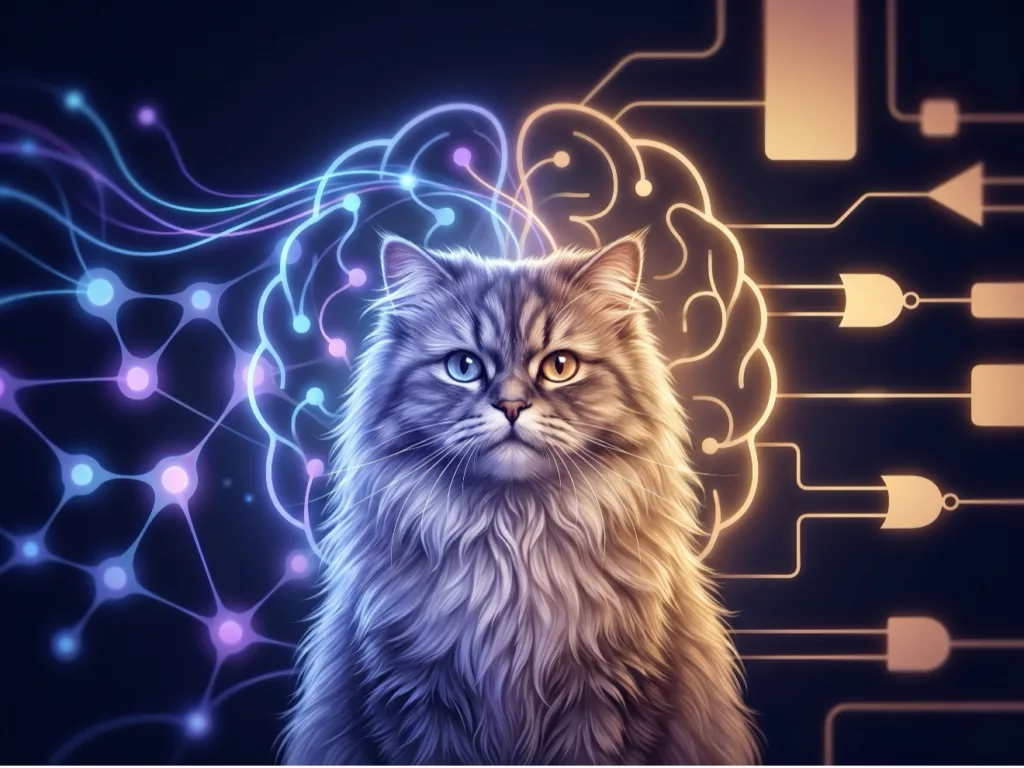
Neurosymbolic systems combine the two directly: A neural network perceives and parses messy input, a natural-language prompt included, then hands the extracted information to a symbolic logic engine that reasons through facts, runs the math, and checks the rules. The combination needs far less training data than a pure neural approach, stays explainable at every step, and holds up against hallucination whenever the task involves verifiable facts or logic.