The ACM/Siggraph Pioneers is hosting a web panel discussion, for its fellow Siggraph Pioneers, focused on geographic information systems (GIS), to be held October 14 at 1:00 pm Eastern. Panelists include George Korte, Bob Bennett, and Michael F. Goodchild. JPR’s Jon Peddie is moderating the panel presentation.
On Wednesday, October 14, 2026, the ACM/Siggraph Pioneers will host a panel of experts in the field of geographic information systems (GIS). The discussion, for members of the Siggraph Pioneers only, will begin at 1:00 pm EDT.
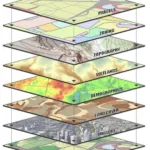
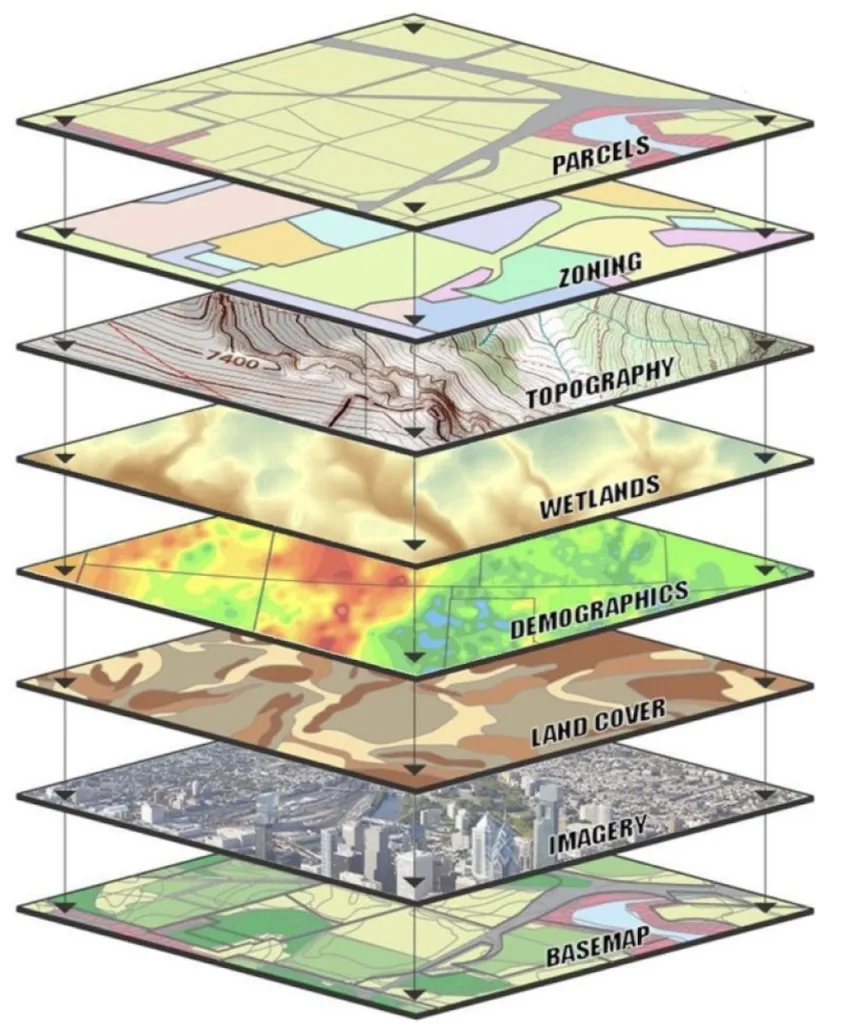
GIS is computer information that has a specific location on Earth—like a map that knows things. A traditional map shows where roads, rivers, or cities are, but a GIS can connect those locations to huge amounts of additional information, combining geography + data + computation + visualization. It lets us ask the computer questions about the world and see the answers spatially. Modern systems can construct three-dimensional representations of cities, terrain, buildings, oceans, and entire regions.
Panelists will discuss how enormous amounts of scientific or geographic data can be turned into something a human can understand, and look at the evolution of these systems as important early drivers of computer graphics technology.
Panelists include George Korte, Bob Bennett, and Michael F. Goodchild, with JPR’s Jon Peddie serving as moderator.

George Korte has broad experience in general management, marketing, sales, finance, IT, and consulting services. His technical experience includes geographic information systems (GIS), computer-aided design (CAD), enterprise asset management (EAM), civil engineering, photogrammetry, and cartography. His GIS experience includes managing federal marketing programs for Intergraph, one of the pioneers in CAD and GIS. Prior to joining Intergraph, he managed the implementation of an Intergraph system for Dewberry, a Top 50 architect-engineer consulting firm, and led the company’s entry into the GIS services market. He has consulted, written, and spoken on the use of GIS, CAD, and EAM systems, writing articles for several periodicals, making many conference presentations, and authoring an Amazon-best-seller book on GIS (The GIS Book, 5th Edition 2001, Thompson Learning). George holds a BSCE from George Washington University, an MBA from the University of Virginia, and is a retired professional engineer.
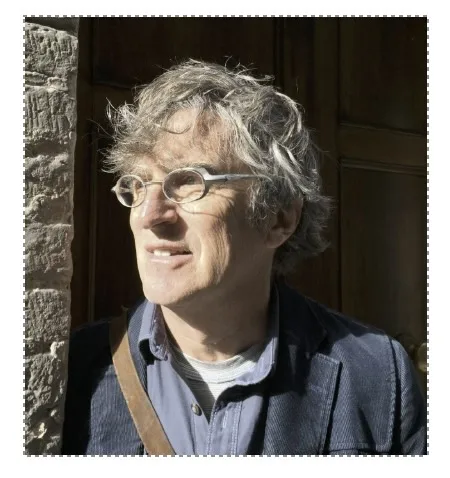
Bob Bennett is best known for product management and marketing for computer graphics products such as Autodesk’s Maya and 3D Studio (now 3ds Max), Luxology’s Modo, and Toon Boom. His early career was managing a pioneering minicomputer-based geographic information system (GIS) for the Alaska Department of Natural Resources. While there, he had a front-row seat to some of the largest land use decisions ever made in North America, as well as the advent of PC-based workstations in the mid-1980s.
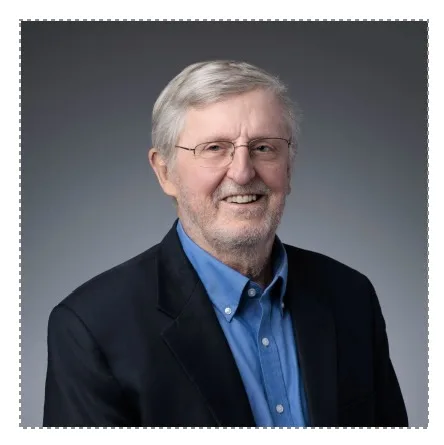
Michael F. Goodchild is Professor Emeritus of Geography at the University of California, Santa Barbara. He received his BA degree from Cambridge University in physics in 1965 and his PhD in geography from McMaster University in 1969. His research and teaching interests focus on geographic information science, including uncertainty in geographic information, discrete global grids, and volunteered geographic information. He was elected member of the US National Academy of Sciences in 2002, and Foreign Member of the Royal Society and Corresponding Fellow of the British Academy in 2010. He has published over 600 books and articles.

Dr. Jon Peddie is a recognized pioneer in the graphics industry, president of Jon Peddie Research, and named one of the world’s most influential analysts. Jon is an ACM Distinguished Speaker and is an IEEE Distinguished Visitor, and named an IEEE Computer Society Distinguished Contributor and Charter member. He lectures at numerous conferences and universities on topics about graphics technology and the emerging trends in digital media technology. Former president of Siggraph Pioneers, he serves on the advisory boards of several conferences, organizations, and companies, and contributes articles to numerous publications. In 2015, he was given the Lifetime Achievement Award from the CAD Society. Jon has published hundreds of papers, co-authored a half-dozen technical books, and written 12 technical books (including Augmented Reality: Where We All Will Live, Ray Tracing: A Tool for All, and his latest, the three-book series The History of the GPU, as well as three fictional titles.
Ed Kramer is chair of the ACM/Siggraph Pioneers.
WHAT DO YOU THINK? LIKE THIS STORY? TELL YOUR FRIENDS, TELL US.