Architects have spent a decade chasing photorealism, and D5 Render just shifted the target. Its 3.1 release turns design reviews from a slideshow of finished images into a live working session, where materials, lighting, and camera angles change on request instead of waiting on a fresh re-render. We walk through what’s new, trace where this Nanjing-based Chinese company actually came from, check its funding and customer base, and delve into whether this update signals something bigger for how architecture gets presented to clients.
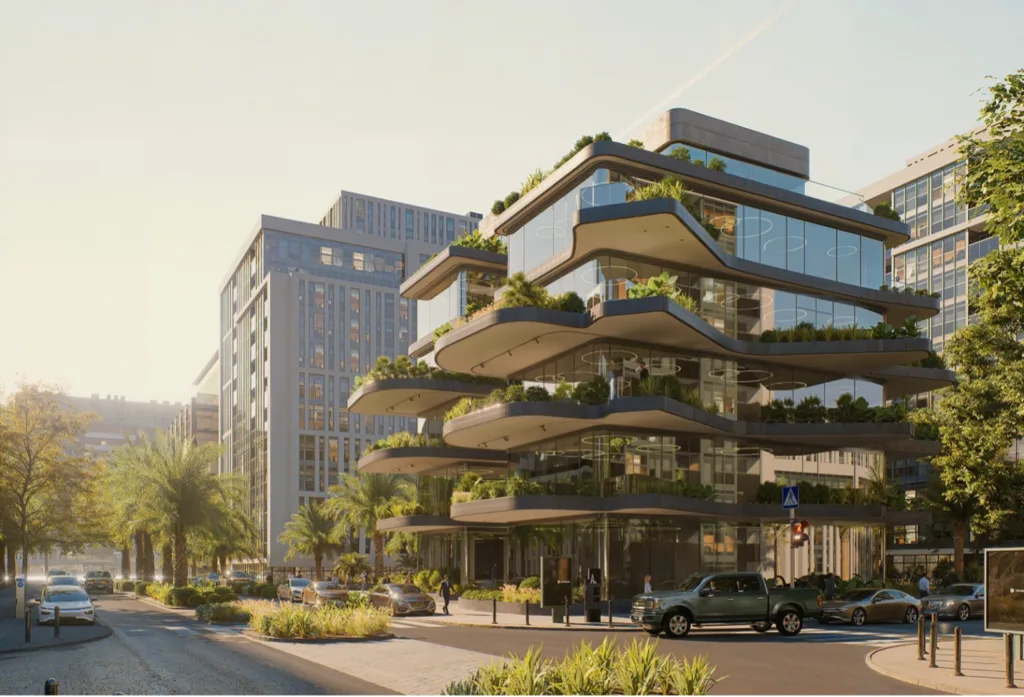
Architectural visualization teams spent the last 10 years chasing one goal: photorealism. Physically accurate lighting, richer material systems, and real-time ray tracing closed the gap between a rendered image and an actual photograph. A result that once impressed an entire studio became something clients expected by default. Rendering technology kept accelerating. The presentation itself did not move at the same pace.
Design reviews still lean on static images, pre-rendered animations, or a fixed camera path someone chose in advance. Those formats record a decision well after the fact. They rarely carry a conversation. A client asks about a different stone facade or a cloudier sky, and the room stops moving as someone goes and builds a new visual somewhere else. Architecture practice has become more collaborative over the past several years: clients, consultants, engineers, and developers now weigh in throughout a project, not just at the final walk-through. Meetings function as working sessions where decisions form in real time, and static visuals cannot keep up with that pace.
Dimension 5’s D5 Render 3.1 aims directly at that gap.